
Abstract The Language of Motion and Emotion
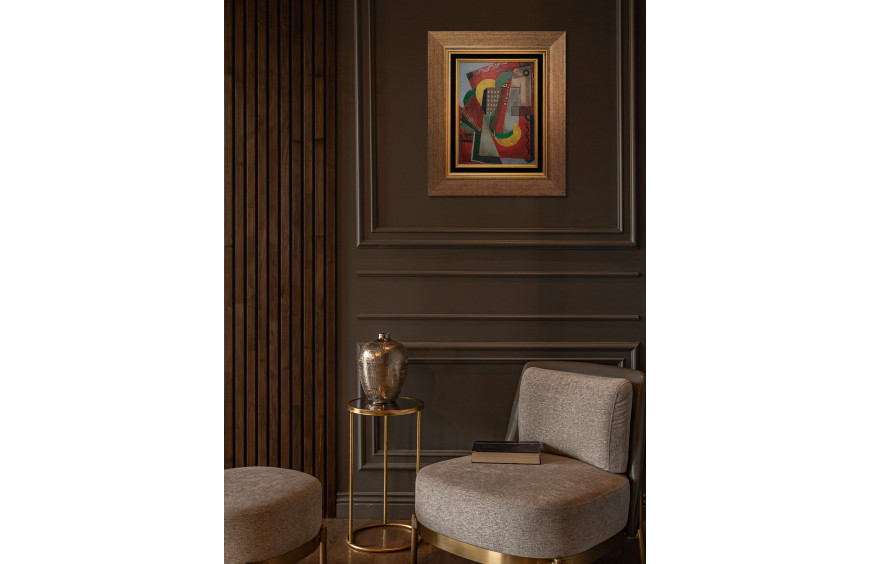
Abstract The Language of Motion and Emotion
Abstract art speaks where words fall short. It is a visual language shaped not by literal representation, but by movement, rhythm, texture, and emotional energy. In abstraction, motion becomes meaning, and emotion becomes form—inviting the viewer to feel rather than simply see.
Movement as a Visual Dialogue
In abstract compositions, motion is rarely accidental. Sweeping strokes, layered textures, and dynamic contrasts guide the eye across the canvas, creating a silent conversation between the artwork and its observer. These movements echo natural forces—wind, water, chaos, and calm—capturing moments that feel alive and constantly evolving.
Each line and curve carries intention. Whether bold and impulsive or subtle and restrained, motion in abstract art mirrors the pulse of human experience—restless, flowing, and ever-changing.
Emotion Beyond Representation
Abstract art removes the boundaries of recognizable forms, allowing emotion to exist freely. Without faces or figures to dictate interpretation, the viewer is given space to project personal feelings, memories, and moods onto the artwork. A single color shift can evoke warmth or isolation; layered textures may suggest resilience, conflict, or healing.
This openness is what makes abstract art deeply personal. The emotion is not prescribed—it is discovered.
Color, Texture, and Energy
Color plays a powerful role in translating emotion into visual language. Vibrant hues ignite intensity and passion, while muted tones suggest introspection and quiet depth. Texture adds another emotional layer—rough surfaces convey tension or struggle, while smooth transitions offer serenity and balance.
Together, these elements create energy—sometimes explosive, sometimes meditative—always expressive.
A Universal yet Personal Experience
The beauty of abstract art lies in its universality. While rooted in the artist’s emotion, it transcends individual narratives, allowing each viewer to find their own meaning. No two interpretations are the same, making abstract art a shared yet deeply personal experience.
Conclusion
Abstract art is not about understanding—it is about feeling. It is the language of motion and emotion, spoken through color, form, and energy. In its freedom from definition, abstraction invites us to slow down, observe inwardly, and connect with something raw, honest, and profoundly human.